Why Home Sellers Should Care About Trends
Whether you are considering selling your home soon or simply updating your living spaces, staying aware of current trends can make a noticeable difference. The focus this year is on flexibility, sustainability, and thoughtful design choices—features that enhance comfort, efficiency, and visual appeal.
In this article, we’ll explore the top trends shaping homes in 2026, from cozy, minimalistic interiors to eclectic, maximalist spaces, and everything in between. By understanding these trends, you can create a home that feels modern, welcoming, and truly reflective of your lifestyle.
This blog post has affiliate links… full disclosure at the bottom of the page.
New Construction Trends for 2026
The Zoom Room:
Modern Work-from-Home Spaces
Remote work is here to stay, and dedicated home offices have become essential. In 2026, the “Zoom Room” continues to be a must-have feature for homeowners who work or attend meetings from home. These spaces are designed to combine functionality, comfort, and visual appeal, making them ideal for both work and video calls.
A Zoom Room focuses on lighting, sound, and aesthetics. Clean, uncluttered backgrounds with subtle décor, such as bookshelves, plants, or tasteful artwork, create a professional yet welcoming environment. Ergonomic furniture, high-quality webcams, microphones, and proper seating ensure comfort and efficiency during long calls.
Beyond video calls, these rooms are increasingly designed as flexible workspaces. They can double as reading nooks, creative studios, or small meeting areas, allowing homeowners to adapt their space to different needs. Thoughtful organization, storage solutions, and technology integration make it easy to maintain productivity while keeping the room visually pleasing.
A well-designed Zoom Room adds value to the home, appealing to buyers who prioritize versatile, modern living spaces. In 2026, this trend reflects a broader focus on creating interiors that support work-life balance, comfort, and functionality without sacrificing style.

Less House, More Efficiency, More Comfort
Decorating Trends to Elevate Your Home
Each year I check out the trends as reported by my favorite sources, Houzz, Elle Décor, House Beautiful, and several YouTube channels that I love…and let’s not forget Pinterest! In 2026 the décor gurus have numerous predictions… how can we embrace all of those trends without being overwhelmed? The good news is we don’t have to embrace them all, all we need to do is find a few trends that we love and that we can afford and add them to our mix.
“Your Home should tell the story of who you are, and be a Collection of what you Love.”
― Nate Berkus, The Things That Matter
Comfort-Centered Design
In 2026, comfort reigns supreme. Organic shapes, plush furniture, and soft materials like linen, cotton, velvet, and chenille create inviting spaces. Combining textures such as limewash, glossy lacquer, and mixed metals like brass or chrome adds depth to interiors. Temperature control and sensory-rich environments, including air purifiers and blackout blinds, further enhance comfort. This trend emphasizes creating a sanctuary at home, where every element contributes to a sense of well-being and relaxation.

Cozy Hygge: Embracing the Danish Concept for Warm
Hygge continues to influence home design in 2026, emphasizing coziness, simplicity, and a sense of well-being. This Danish-inspired approach creates spaces that feel welcoming, relaxed, and intentionally comfortable, blending soft textures, natural elements, and thoughtful lighting.
1. Soft Textures
Layering remains essential. Plush throws, velvet cushions, wool rugs, and knitted accessories add warmth underfoot and invite relaxation. In 2026, sustainable and natural fabrics are preferred, combining comfort with eco-conscious choices.
2. Warm, Adaptive Lighting
Soft, warm lighting is key, but new technology allows it to be adjustable for mood and circadian health. Smart dimmers, warm-toned LED lights, and candle-inspired lamps create a soothing ambiance throughout the day.
3. Natural and Sustainable Elements
Wood, stone, rattan, and live plants bring the outdoors inside, supporting calm and a connection with nature. Indoor gardens, planters, and macramé hangers are popular for creating tactile, visually appealing green spaces.
4. Mindful Simplicity
Hygge favors uncluttered, purposeful spaces. Homes are curated with meaningful items rather than excess decor, promoting calm and intentional living. Soft neutrals, earthy tones, and tactile materials anchor the space.
5. Seasonal Comfort Updates
Adding small seasonal touches, like textured pillows, warm throws, or natural scents, keeps spaces feeling fresh and aligned with the rhythm of the year.
In 2026, Hygge is not just a style—it’s a lifestyle choice. It combines tactile comfort, natural materials, and adaptable technology to create interiors that are soothing, functional, and inviting year-round.
Design Simplicity: Warm Minimalism
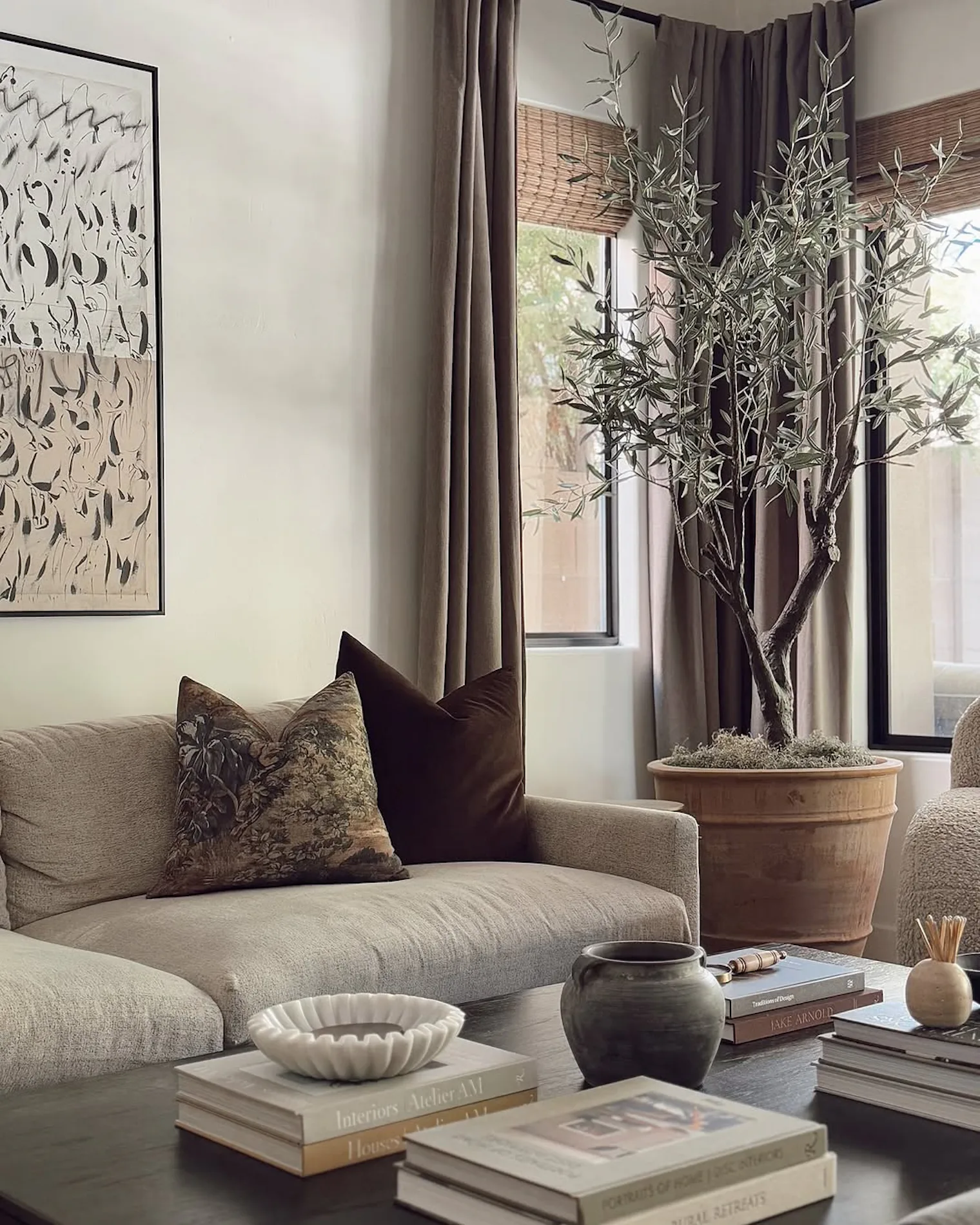 Warm Minimalism
In 2026, simplicity and minimalism remain relevant, but the style has clearly evolved from the stark, ultra‑sparse look of earlier years into something warmer, more intentional, and more human. Modern Minimalism plays with texture, color, and pattern, just in a subdued, soothing design manner.
Design experts describe “warm minimalism” as one of the dominant 2026 trends. It keeps clean lines and uncluttered spaces at its core but adds texture, natural materials, and soft colors to create interiors that feel calm and inviting rather than cold or clinical. This approach balances simplicity with comfort, using materials like wood, linen, wool, and tactile finishes to make neutral spaces feel rich and relaxing.
Minimalism now favors earthy palettes and neutral tones—think creamy whites, taupe, sand, and clay—paired with cozy textiles instead of stark whites and bare surfaces.
Another shift in 2026 is how minimalism is paired with smart design and multifunctional spaces. Minimalist interiors increasingly incorporate hidden storage, flexible furniture, and smart technology that enhances function without interrupting the clean aesthetic.
Natural light and organic shapes are also important. Designers are using larger windows, curved furniture, and materials that feel tactile and grounded to bring a sense of calm and flow to minimalist spaces.
In short, minimalism in 2026 isn’t about emptiness. It’s about deliberate restraint, quality materials, and comfort—creating spaces that feel orderly yet warm, simple yet expressive.
- Scandinavian Minimalism, or Scandi, incorporates the natural beauty of wood, stone, and green plants, and uses white walls to reflect as much natural light as possible. It is the epitome of simplicity. The trend includes airy, spacious rooms, less cluttered and more straightforward. As our lives become more cluttered, we all seem to want our spaces to move in the other direction. Hide-Away storage pieces are more in demand as more people are opting for smaller, but smarter homes.
- Handmade goods are popular, including items from around the world! Etsy is the place to score and it is one of the most lucrative business opportunities today. Recycling is a big part of DIY décor. A touch of hand-made will cross all kinds of styles.
- Janpandi is a popular trend. A mash-up of elegant Japanese minimalism and rustic Scandinavian simplicity, Japandi is a hybrid trend bringing together the best of the two. This trend is the one for you if your home is your sanctuary and you take a less-is-more approach with uncluttered spaces, clean lines, and a calm, subdued color palette.

Textural & Romantic Elements
interiors are embracing layered textures and subtle romantic details to create spaces that feel warm, inviting, and full of character. These elements add depth and personality without overwhelming a room, balancing comfort with style.
1. Mixed Textures
Combining soft fabrics like velvet, chenille, and silk with natural materials such as wood, stone, and rattan brings tactile interest to every room. Layering textures—from plush cushions and throws to textured rugs and wall finishes—creates a sensory-rich environment.
2. Romantic Accents
Delicate, elegant details are returning, including curved furniture, scalloped edges, ruffled fabrics, tassels, and fringes. These elements soften modern interiors and add charm to contemporary, traditional, or eclectic spaces.
3. Layered Patterns and Finishes
Floral prints, subtle geometric motifs, and natural patterns like marbling or wood grain are paired to create visual depth. Metallic finishes—brushed gold, copper, or bronze—offer understated luxury and complement the textures throughout a room.
4. Statement Furniture and Décor
Curved sofas, upholstered chairs, or vintage-inspired pieces act as focal points, giving rooms a romantic, inviting feel. Smaller accessories, such as sculptural vases or hand-crafted décor, enhance the overall layered aesthetic.
5. Harmonious Color Pairings
Soft, muted tones—warm neutrals, dusty rose, muted greens, or deep earthy shades—are layered for cohesion and comfort, supporting the romantic, textural vibe while maintaining a modern edge.
Textural and romantic elements are about creating interiors that are tactile, elegant, and inviting. By mixing materials, patterns, and finishes thoughtfully, homeowners can craft spaces that are both visually captivating and comforting.
Vintage Flair with Modern Twists
In 2026, vintage design continues to gain momentum, but the approach is more intentional and refined. Rather than filling rooms with nostalgic pieces, homeowners and designers are choosing a few well-crafted vintage or antique items to anchor a space. The emphasis is on quality, character, and story.
Vintage furniture and décor are valued for their craftsmanship and unique details, elements that are often costly or impossible to reproduce today. Pieces from the early 20th century through the late 1900s are especially popular, including mid-century silhouettes, curved forms, and solid wood construction. These items bring warmth and authenticity when paired with clean-lined, modern furnishings.
Statement lighting plays a strong role in this trend. Vintage glass pendants, sculptural lamps, and distinctive metal finishes are used as focal points, adding personality without overwhelming a room. Practical vintage pieces, such as cabinets, dressers, and sideboards, are also being repurposed for modern living, blending function with visual interest.
The key to making vintage work in 2026 is balance. A single antique table, a restored chair, or a stylish antique hardware piece can elevate a space when surrounded by contemporary textures and neutral backdrops. This curated mix creates interiors that feel collected and personal rather than themed or cluttered.
The timeless charm of vintage furniture is less about nostalgia and more about meaning. When thoughtfully integrated, older pieces add depth, history, and individuality, giving modern homes a sense of permanence and character.
Embrace Maximalist Decorating in 2026
I’ve noticed over the years that the fashion trends of the fall often march right off the runway into our homes. 2026 is the year to once again embrace maximalism, albeit with a more curated and intentional approach. More is more! Many decorating enthusiasts will be happy to once again, embrace vibrant colors, mix patterns, and curate eclectic collections to create a bold and expressive home that reflects their personality.
Maximalist Design
The New Modern. As more people become digital nomads, that trend is influencing our tastes, whether we even travel or not. We are exposed to the world in a way that was never possible before. Can you have a maximalist design that incorporates Zen, minimalism, and neutrals? Yes, you can…you can have it all.
New Modern décor includes a fusion of styles, including ethnic patterns, mixed metals, rustic and natural elements, organic and eco-friendly touches, and the addition of hand-made items, especially items from different cultures. Eclectic and layered is the New Modern. The focus is less on sheer abundance and more on curated layers, personal expression, and meaningful collections.

Instead of simply layering as much pattern, color, and objects as possible, designers are emphasizing storytelling and personal expression. Rooms that lean maximalist in 2026 often feature rich, layered textiles, gallery walls with meaningful art and collections, and vintage or heirloom pieces chosen for emotional resonance. This shift moves the look away from accidental clutter toward thoughtful, purposeful décor that feels collected, not chaotic, according to Designer & Diyer
This is truly the way we all live, isn’t it? We have treasures from our travels, heirlooms that we dare not part with, and our favorite items that have no natural fit with our overall decorating tastes. After reading the trends above, you’re probably wondering how to make it all work. I’m relieved to hear that it’s all good! Mix and match at will.
Color Drenching in 2026
 Click for more color drenching ideas: https://ouraestheticabode.com/color-drenching-ideas/
Color drenching continues to be a relevant decorating trend in 2026, though it has matured into a more nuanced design approach. Rather than feeling bold for the sake of impact, today’s color drenching focuses on creating mood, depth, and cohesion within a space.
The core idea remains the same. Walls, trim, ceilings, and sometimes built-ins or furniture are painted in a single color or closely related tone. This creates an immersive effect that feels intentional and polished. In 2026, designers are favoring warmer, more grounded hues for this technique, including earthy greens, softened browns, muted blues, and refined neutrals.
What has changed is how the look is executed. Alongside traditional color drenching, designers are embracing a layered approach often referred to as tonal or “color capping.” This method uses multiple shades within the same color family to add dimension while keeping the room visually calm. The result feels rich without being overwhelming.
“Double drenching” pairs complementary shades or textures, offering a fresh take on this vibrant trend. By enveloping a space in a unified color scheme, homeowners can create a dramatic and cohesive look that reflects their personal style.
Color drenching works especially well in rooms meant to feel intimate or focused, such as dining rooms, offices, libraries, and powder rooms. Spaces with ample natural light tend to handle deeper colors best, helping the room feel enveloping rather than heavy.
For homeowners and sellers, this trend is best applied selectively. One thoughtfully drenched room can make a strong impression, while the rest of the home remains neutral and flexible. When done with restraint, color drenching signals confidence in design and helps a space feel current, cohesive, and well considered.
If you’re unsure about color drenching, try it with subtle neutrals in a small space, such as a powder room or a home office.
You may also consider trying it on an accent wall for minimal risk.
Colors of the Year 2026
Each year, major paint brands and design authorities release their Colors of the Year to reflect broader shifts in lifestyle, design preferences, and mood. For 2026, the focus is clear. Calm. Depth. Warmth. These colors lean grounded and livable, making them especially useful for decorating and staging.
Below is a closer look at the key Colors of the Year for 2026 and how each one can work in real homes.
Benjamin Moore: Silhouette
Silhouette is a deep, complex neutral that blends burnt umber with charcoal. It reads warm without feeling heavy and works well in rooms where you want depth and quiet drama. This color performs beautifully on cabinetry, interior doors, or a feature wall, especially when paired with lighter woods or soft creams.
Behr: Hidden Gem
Hidden Gem is a smoky jade with soft, muted undertones. It offers color in a restrained way, making it suitable for living rooms, bedrooms, and kitchens. Paired with brass finishes, stone surfaces, or creamy neutrals, it feels layered and composed.
Ddunn-Edwards: Midnight Garden
Midnight Garden is a deep, earthy green with a grounded presence. It works beautifully in dining rooms, offices, or reading spaces where a sense of calm and focus is important. When combined with natural materials and warm lighting, it feels rich without being overwhelming.
Sherwin-Williams: Universal Khaki
Universal Khaki sits between beige and olive, making it a flexible and practical neutral. It is easy to stage and blends well with many styles of furniture and décor. This color is especially effective in open layouts, where continuity matters.
Glidden: Warm Mahogany
Warm Mahogany is a deep brown with subtle red undertones. It feels traditional yet current when used thoughtfully. This shade works well on furniture pieces, built-in shelving, or as an accent color layered through pillows, artwork, and rugs.
Dutch Boy: Melodious Ivory
Melodious Ivory is a soft off-white with warm undertones. It reflects light gently and creates an inviting backdrop without feeling stark. This color works well throughout an entire home and supports a wide range of decorating styles, making it a strong choice for staging.
Valspar: Warm Eucalyptus
Warm Eucalyptus is a muted green that feels calm and natural. It bridges the gap between neutral and color, which makes it useful in bedrooms, bathrooms, and hallways. Paired with wood, linen, and stone, it supports a relaxed and balanced look.
Pantone: Cloud Dancer
Cloud Dancer is a light, airy neutral with subtle warmth. It helps spaces feel open and bright, especially in rooms with limited natural light. This shade works well in minimal interiors and allows furnishings and textures to stand out.
Used thoughtfully, these Colors of the Year can refresh a home without major changes. A few well-chosen updates can signal that a space feels current, comfortable, and well cared for.
But, who cares about the color of the year?
You do not need to repaint your entire home to use them. These shades often appear first in furnishings, textiles, accessories, and accent pieces. Used thoughtfully, they can refresh a space and signal that a home feels current.
If a color fits your style and taste, then there are several ways to incorporate it without a massive and expensive paint job. Adding a pop of the latest color to your accents is a great way to update. Updating pillows, throws, and curtains is an inexpensive but impactful update.
Within the color groups, you’ll also find popular shades to use with every season. Updating your decorating with seasonal touches can be an easy way to refresh your rooms, and it doesn’t take a lot of effort. Here are some fall decor trends to try this season.
In these 2026 colors of the year, I see many neutrals. Today’s neutrals are taking an earthy tone. Neutral colors are useful in making a small room look larger. If you are a neutrals fan…enjoy the deeper, muted earthiness!
How Colors of the Year are Chosen
- Trend Analysis: Color experts and trend forecasters analyze global trends in fashion, design, technology, and culture to predict which colors will resonate with consumers.
- Cultural Influences: Events, societal shifts, and emerging themes in art and design often influence color choices. For example, a focus on sustainability might lead to earthy tones, while technological advancements could inspire futuristic hues.
- Emotional Impact: Colors are selected for their ability to evoke certain emotions or moods. In times of uncertainty, calming and reassuring colors might be favored.
The Healing Home: Wellness-Focused Spaces
In 2026, homes are increasingly seen as sanctuaries for health, relaxation, and emotional well-being. Design choices focus on creating spaces that support physical comfort, mental clarity, and a sense of calm, blending natural elements, smart technology, and thoughtful layouts.
1.Spa-like bathrooms
Bathrooms are designed as personal retreats, with freestanding tubs, rainfall showers, natural stone finishes, and tactile materials. Soft lighting, aromatherapy diffusers, and plush towels enhance relaxation and create a spa-like atmosphere at home.
2. Air Quality and Environmental Control
Smart sensors monitor air quality, humidity, and temperature, helping maintain a healthy living environment. Air purifiers, circadian lighting, and humidifiers or dehumidifiers work together to support comfort and wellness.
3. Connection to Nature
Biophilic principles extend to interior spaces, with indoor plants, living walls, natural wood, and stone accents. Views of gardens or green outdoor areas further strengthen the connection with nature, reducing stress and improving mood.
4. Multi-Sensory Comfort
Designers are incorporating soft textiles, ambient sound, and calming scents to create sensory-rich spaces. Rugs, throws, and curtains add tactile warmth, while background music or water features enhance relaxation.
5. Flexible Wellness Areas
Homes increasingly include wellness corners or multi-use spaces for meditation, stretching, yoga, or quiet reading. These spaces integrate natural materials, soft lighting, and comfortable furnishings to encourage mindful living.
6. Smart Home Wellness Integration
Technology supports health and comfort, with automated lighting schedules, temperature control, and personalized wellness routines. Smart devices can adapt to individual needs, creating a seamless environment that promotes overall well-being.
The Healing Home is about mindful design, natural connections, and wellness-enhancing technology. Every choice—from materials and lighting to layout and smart systems—works together to create a home that nourishes the body, mind, and spirit.
Biophilic Design & Organic Aesthetic
In 2026, biophilic design continues to shape interiors, emphasizing a deep connection to nature—even in smaller, more efficient homes. Homeowners and designers are finding creative ways to bring the outdoors in, integrating natural materials, textures, and greenery into functional living spaces.
Indoor plants remain central, with living walls, vertical planters, and indoor gardens providing greenery without taking up valuable floor space. Smaller homes benefit from compact or modular plant displays, while larger homes continue to incorporate more expansive arrangements. Natural light is prioritized, with windows and skylights placed to maximize views and daylight, enhancing both mood and the perception of space.
Materials that reflect nature—wood, stone, rattan, cane, cork, and sustainable fibers—are widely used in furniture, finishes, and decor. Live-edge tables, textured wall treatments, and woven accents create a tactile, organic aesthetic that complements modern minimalism and curated vintage pieces alike.
Outdoor areas are now considered an extension of the interior, regardless of size. Patios, balconies, and backyards are being designed as usable, comfortable zones for work, play, and relaxation. Fire pits, seating areas, water features, and raised planters transform even modest yards into immersive, restorative environments. These spaces enhance well-being while supporting flexible living and entertaining.
Sustainability remains a key focus. Eco-friendly materials, responsibly sourced wood, and energy-efficient design choices integrate seamlessly with biophilic principles, allowing homeowners to live comfortably and responsibly.
In 2026, biophilic design is about intentional integration—bringing nature into every aspect of a home, from furniture and decor to outdoor living spaces—creating environments that are calming, functional, and connected to the natural world.

Natural Materials in 2026
Natural materials continue to be a defining feature of home design in 2026, valued for their texture, durability, and connection to the outdoors. Wood remains a favorite, from cabinetry and furniture to accent walls, often paired with stone, marble, travertine, and granite for countertops, flooring, and decorative surfaces. Live-edge wood tables, exposed beams, and textured wood finishes bring warmth and organic character to interiors.
Sustainable materials are more popular than ever. Bamboo, cork, hemp, and recycled elements are being used in flooring, walls, furniture, and decor, reflecting growing awareness of environmental impact. Glass accents, from lighting to furniture, add transparency and lightness, balancing heavier textures.
Modern rustic design is thriving, blending natural surfaces with contemporary elements for a clean yet inviting look. Even in smaller, more efficient homes, these materials create tactile interest and visual depth, making spaces feel grounded and connected to nature.
In 2026, using natural materials isn’t just about aesthetics—it’s about creating healthy, sustainable, and comfortable spaces that enhance well-being while reflecting a thoughtful, eco-conscious lifestyle.
Sustainability and Energy Efficiency
sustainability and energy efficiency remain top priorities for homeowners, but the focus has broadened to include smarter, more integrated approaches. It’s no longer just about choosing eco-friendly materials—today’s trend emphasizes whole-home efficiency, reduced environmental impact, and long-term savings.
Energy-efficient systems are now standard in many new homes. High-performance insulation, LED lighting, energy-efficient appliances, and smart HVAC systems—like minisplits and zoned climate control—help reduce energy consumption while maintaining comfort. Smart thermostats and automated lighting not only save energy but also allow homeowners to adapt their spaces to daily routines effortlessly.
Water conservation and low-impact landscaping are also part of the sustainability trend. Drought-tolerant plants, efficient irrigation, and permeable surfaces in yards reduce water use while supporting outdoor living. Even smaller backyards are being designed with sustainability in mind, including raised planters, native species, and multifunctional outdoor spaces that minimize maintenance and waste.
Material choices continue to reflect environmental awareness. Homes incorporate recycled, upcycled, and responsibly sourced materials, from furniture and flooring to countertops and cabinetry. Bamboo, cork, hemp, and reclaimed wood are widely used, while natural stone and glass offer durability with low environmental impact.
Overall, 2026 homeowners are seeking spaces that are both beautiful and responsible, combining comfort, efficiency, and sustainability. By integrating energy-saving technologies, eco-friendly materials, and mindful design, homes are healthier for residents and gentler on the planet, proving that modern living can be stylish, efficient, and sustainable.
Integrating Smart Home Technology

Smart home technology in 2026 has evolved to be more intuitive, integrated, and proactive, enhancing comfort, convenience, security, and energy efficiency. Here are the key trends to know:
Seamless Integration and Matter Standards
Open standards like Matter and Thread allow devices from different brands to work together smoothly. Homes no longer need multiple hubs, creating a cohesive ecosystem where lights, locks, thermostats, and appliances communicate effortlessly.AI‑Enhanced Control and Automation
Artificial intelligence now enables context-aware and adaptive systems. Smart assistants can manage complex routines, anticipate homeowner needs, and adjust lighting, climate, and appliances automatically.Faster, More Reliable Connectivity
With the rollout of Wi‑Fi 7, homes experience faster speeds, lower latency, and better support for multiple devices. This ensures smart systems operate smoothly, even in fully connected homes.Smarter Energy Management
Energy systems go beyond thermostats, using real-time data, solar forecasting, and appliance-level monitoring. These features optimize energy use, reduce costs, and lower the home’s environmental footprint.AI‑Powered Security
Security systems now use advanced AI to recognize familiar faces, reduce false alarms, and provide predictive alerts, keeping homeowners informed and safer without constant manual monitoring.Wellness and Environmental Sensing
Smart homes monitor air quality, humidity, lighting for circadian health, and even sleep patterns, integrating with wearables or health apps to support overall wellbeing.Outdoor Smart Technology
Technology extends outdoors with smart irrigation, robotic mowers, and automated garden systems, making outdoor living spaces functional, efficient, and easy to maintain.Smarter Appliances
Kitchen and laundry appliances use AI to recognize food, suggest recipes, adjust cycles automatically, and integrate with smart assistants, making everyday chores easier and more efficient.
In 2026, smart homes are no longer just “connected”—they are predictive, energy-conscious, and fully integrated, creating spaces that adapt to modern lifestyles seamlessly.
Mix and Match: Mastering the Art of Eclectic Decor
Eclectic decor in 2026 is about personal expression, curated layering, and creative combinations. Homes are moving beyond minimalism, embracing individuality through unique furnishings, textures, and cultural influences. This style allows homeowners to showcase their personalities while maintaining a cohesive, livable space.
1. Personalization and Expression
Individuality is at the heart of 2026 eclectic design. Homeowners combine vintage furniture, locally crafted pieces, handwoven textiles, and DIY creations to tell their story. Rich, earthy tones, layered textures, and thoughtful details make each room feel authentic and inviting.
2. Mixed Metal Finishes
Using two to three metal finishes remains popular. Copper, bronze, iron, and matte silver are frequently combined in fixtures and accents. Black metal is especially effective as a grounding element, adding contrast and sophistication without overpowering a room.
3. Layering Patterns and Textures
Patterns, colors, and textures are mixed with intention. Geometric rugs, patterned upholstery, woven throws, and tactile fabrics add depth and interest. In 2026, layering is about balance: each element complements the others while creating a visually engaging environment.
4. Walls as Features
Walls are no longer just a backdrop—they’re a canvas. 3D wall panels , textured finishes, and statement paint techniques allow homeowners to add personality without cluttering the space. Walls can tie together eclectic elements while highlighting a room’s focal points.
5. Furniture and Decor Pairings
Curating furniture from different eras is encouraged. Pair modern pieces with vintage accents or mix rustic and refined styles for a balanced look. Even small details like antique hardware, unique lighting, or curated accessories contribute to a layered, eclectic vibe.
6. Cohesion Through Color and Tone
Despite the mix of styles and textures, a thoughtful color palette keeps eclectic spaces unified. Neutral bases with pops of jewel tones or earthy accents are popular in 2026, allowing eclectic rooms to feel intentional rather than chaotic.
In 2026, eclectic decor is about embracing individuality while maintaining harmony, blending old and new, natural and modern, bold and subtle. When executed thoughtfully, it creates spaces that are both expressive and comfortable, reflecting the homeowner’s lifestyle and personality.

Flooring Trends in 2026
Flooring in 2026 combines style, durability, and sustainability, reflecting the broader trends of comfort, efficiency, and natural materials in modern homes. With a wider variety of options than ever before, homeowners are selecting floors that are both practical and visually appealing.
1. Engineered Wood and Luxury Vinyl
While hardwood remains desirable, engineered wood and luxury vinyl plank (LVP) continue to dominate new construction. These options are more durable, water-resistant, and easier to maintain, making them ideal for families, pets, and busy households. Wide planks and mixed wood tones add warmth and sophistication to interiors.
2. Patterned and Geometric Floors
Patterned flooring is growing in popularity, from herringbone and chevron wood layouts to tile combinations and geometric designs. These patterns add depth and personality to spaces, making even smaller rooms feel more dynamic.
3. Sustainable and Responsibly Sourced Materials
Bamboo, cork, and reclaimed wood are increasingly used for both aesthetic and environmental reasons. Eco-friendly flooring is now a key factor for homeowners seeking to reduce their impact while creating stylish interiors.
4. Porcelain and Tile Innovations
Porcelain tiles with wood-look, marble-look, or stone-look finishes continue to be popular for kitchens, bathrooms, and entryways. Large-format tiles (12×12 inches or larger) create a modern, seamless look, and slip-resistant finishes improve safety. Terrazzo and travertine are also making a comeback as statement surfaces that combine elegance with durability.
5. Comfort and Performance
Soft flooring remains important for areas like bedrooms, basements, and rec rooms. Waterproof carpets, patterned textures, and plush area rugs offer comfort underfoot without sacrificing style. Many modern carpets are made from recycled or sustainable fibers, aligning with 2026’s eco-conscious trends.
6. Matte and Natural Finishes
High-gloss floors are fading in popularity. Homeowners now favor matte or low-sheen finishes that highlight the natural beauty of wood or stone while reducing glare and wear visibility. Neutral and earthy tones dominate, supporting a calm, cohesive interior palette.
7. Integration with Smart and Flexible Spaces
Flooring choices are increasingly guided by functional needs in flexible, multi-use areas. Durable surfaces that can handle high traffic, pets, or multifunctional rooms are prioritized without compromising aesthetics. Outdoor-adjacent spaces now use materials like porcelain or engineered wood that blend seamlessly with patios and terraces, extending living areas outdoors.
In 2026, flooring is more than a surface—it’s a design element, a functional tool, and a sustainable choice, enhancing both the comfort and efficiency of modern homes.
Hardwood floors are still wildly popular, no matter what style your home is. Hardwood floors add value to a home, compared to many other flooring types.
If you are committed to hardwoods, my friend Debbie Gartner, The Flooring Girl, has all the info you need to not only make smart decisions about hardwood floors but to best care for them. What Types of Hardwood Flooring is Best For Dogs?
Carpet Trends
arpets in 2026 are evolving to combine durability, sustainability, and style, keeping them relevant even as hard flooring dominates many spaces. Modern carpets focus on comfort, performance, and design versatility, making them ideal for bedrooms, basements, rec rooms, and flexible spaces.
1. Sustainable and Eco-Friendly Materials
Recycled fibers, natural wool, bamboo, and other eco-conscious materials are increasingly used in carpets and rugs. Homeowners are choosing products that reduce environmental impact while providing softness and durability underfoot.
2. Waterproof and Performance Carpets
Technology continues to improve carpet resilience. Waterproof and stain-resistant carpets are now widely available, making them practical for high-traffic areas, homes with pets, or spaces prone to spills.
3. Patterned and Textured Designs
Patterned carpets remain popular in 2026. Geometric shapes, subtle textures, and layered weaves add visual interest without overwhelming a space. These designs work well in neutral color palettes as well as with the trend of bold accent areas.
4. Nostalgic Styles with Modern Updates
Retro-inspired carpets are making a comeback, updated with modern materials and finishes. Frieze-style textures, updated shag looks, and subtle polka dots give nods to past decades while keeping spaces contemporary.
5. Modular and DIY-Friendly Options
Carpet tiles and modular rugs are increasingly popular. They allow for customizable layouts, easy replacement of sections, and creative design experimentation, ideal for both small spaces and flexible living areas.
6. Area Rugs as Statement Pieces
Area rugs are being used not just for comfort but as design focal points, layering textures, colors, and patterns to tie rooms together. They can highlight a neutral floor, complement maximalist decor, or anchor hybrid spaces that serve multiple functions.
7. Soft, Sensory Comfort
Even in efficient, smaller homes, the sensory aspect of carpet remains important. Plush textures and soft underfoot materials provide warmth and comfort, particularly in bedrooms, living rooms, and home offices.
In 2026, carpet is functional, stylish, and eco-conscious, supporting both practical living and thoughtful design. With advances in materials and patterns, carpets remain a key element in creating cozy, adaptable, and visually interesting spaces.
Outdated Décor
I thought it would be a good idea to consult the experts on this topic. If you have some dated features in your home and want to focus in on making the most important changes first to update your look, these are the places to start:
- Signage art is oversaturated. It’s time to go. We all know the kitchen is for eating.
- tile countertops,
- checkerboard everthing – replace with sophisticated geometric patterns
- wood paneling, linoleum flooring, high gloss floors
- futons and other dorm room looks,
- nautical motifs, themed décor
- Tuscan kitchens, including the color palette
- damask (instead, large statement blooms),
- wallpaper borders,
- matching window valances or any valances, vertical blinds
- Mason jar mania,
- dusty pastels,
- Hollywood mirror lights,
- sponge-painted walls, faux finishes
- ruffled bed skirts, fussy curtains, chintz fabrics,
- faux and silk plants and fake fruit,
- lace tablecloths and doilies,
- popcorn ceilings,
- colored or frosted glass light fixtures,
- say goodbye to bubble furniture. Thank goodness!
That was a lot! Hopefully, you only have a minimal number of these, and maybe you’re lucky and you have none.

Conclusion
Home decorating in 2026 is about balance, personalization, and intentional choices. Comfort, sustainability, and connection to nature are central, while technology and smart design make homes more efficient and adaptable. Whether you embrace minimalism, eclectic layering, or maximalist expression, the key is creating spaces that reflect your lifestyle and personality.
Incorporating natural materials, energy-efficient systems, and biophilic elements enhances both the beauty and functionality of your home. At the same time, smart home technologies, flexible layouts, and thoughtful decor choices ensure your spaces work for you—whether for work, relaxation, or entertaining.
Ultimately, 2026 decorating trends are about making your home a true reflection of you: a place that is stylish, comfortable, sustainable, and ready for the way we live today. By selecting the trends that resonate with your tastes and needs, you can create a home that feels modern, welcoming, and timeless.
More Trends to Explore in 2026
Kitchen Design Trends 2026 – “The kitchen is the heart of the home.”
Bathroom Design Trends for 2026 – Zen is In.
Virtual Remodeling and Redecorating – There’s an app for that!
The Difference Between Home Staging and Decorating
Whether you are thinking of selling your home soon and are looking for ways to update your home, or whether you just bought a home, you’ll want to know what’s the latest news in home decorating trends. When selling a home, you don’t want it to look too dated.
Getting your home ready for the market includes some very practical steps, like repairs and replacement of broken items and systems, lots of cleaning and certainly de-cluttering. But part of the process involves some psychology, the psychology of using décor to appeal to buyers. Preparing your home to appeal to the largest number of buyers includes some smart and careful staging. Home staging helps a home sell quicker and for more money, on average.
Home staging is different from home decorating. Although decorating and home staging are different, they both focus on what is trending in décor. In very simple terms, decorating is about making your home suit your style and tastes. It is all about expressing who you are. Home staging is the total opposite.
In a nutshell, effective home staging is about neutralizing your personal home décor tastes and creating a look that appeals to the most likely buyers. Your spaces must be painted in neutral shades, and have a minimal amount of furnishings and décor. The goal is to allow buyers to imagine their belongings in your home. Bill Gassett’s thorough article on home staging explains how home staging is a helpful part of marketing a home for sale, but it isn’t a miracle worker. Professionally staging a home, although valuable, won’t make up for other deficits.
If you are thinking of selling your home, consider a fresh coat of paint in some contemporary neutral shade from a contemporary color palette. A few touches of the new color palettes in the pillows, towels, window coverings, or occasional pieces, some touches of wood or trendy metals, and you can have a great new look that appeals to today’s buyers.
Contact Us for Staging and Best Advice for Selling Your Frederick Home
Find Out What Your Home is Worth (takes 15 seconds)
Need A Real Estate Agent in Your City? We Can Refer a Great Agent!
The 2026 decorating trends forecast was written by Karen Highland, a blogger and licensed real estate assistant in Central Maryland. Happy Decorating!